
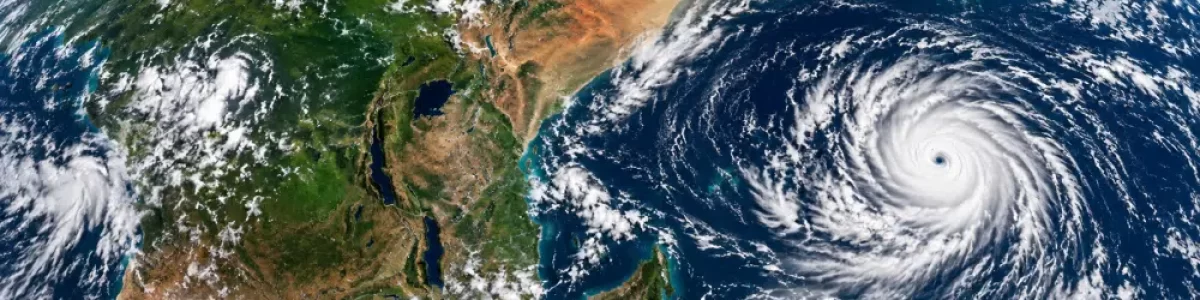
Only around a quarter of losses from extreme weather events in Europe were insured between 1980 and 2024, according to the European Insurance and Occupational Pensions Authority’s (EIOPA) Insurance Protection Gap Dashboard. As climate change intensifies floods, storms, heatwaves and wildfires, that gap isn’t closing, it’s set to widen.
A Gap That’s Growing, Not Shrinking
EIOPA’s 2025 Eurobarometer survey found that only 17% of respondents hold insurance coverage for natural catastrophe property damage. Meanwhile, the German Insurance Association has warned that property insurance premiums could double within a decade due to climate-driven claims. In the highest-risk areas, coverage is becoming harder to get at all, as insurers withdraw or introduce exclusions as risk escalates, with knock-on effects for mortgage availability, since lenders typically require insurance as a condition of financing.
The “Insurance Illusion”
EIOPA has flagged a specific behavioral problem alongside the affordability one: many consumers believe they are covered against climate-related property damage, only to discover gaps or exclusions after a loss occurs. A May 2025 EIOPA study of Insurance Product Information Documents for natural catastrophe coverage across EU markets called for clearer, more intuitive product information, precisely because the gap between perceived and actual coverage is itself a source of financial harm when disaster strikes.
What’s Being Proposed
In December 2025, EIOPA proposed developing PROTECT, a tool intended to help citizens understand how climate change could affect their own property. Separately, the European Central Bank and EIOPA have jointly explored a two-pillar public-private model for natural catastrophe insurance, pairing expanded private coverage with a public backstop for the most severe, systemic losses, an approach designed to encourage preventive risk mitigation rather than simply transferring cost after the fact.
Why Better Data Is the Common Thread
Every proposal on the table, whether clearer product information, public-private risk-sharing, or consumer-facing exposure tools, depends on the same underlying input: accurate, asset-level physical risk data. Insurers can’t price risk they can’t quantify, and they can’t retain coverage in exposed areas without confidence in how that exposure is actually distributed. Closing the gap will take policy, product design and consumer awareness working together, but none of it works without that data underneath it. It’s the difference between an insurer withdrawing from a region and an insurer pricing it accurately. Banks face a parallel challenge on the lending side, see our piece on why physical climate risk is now a core banking risk.
How exposed is your portfolio, and how well is that exposure currently priced? Visit our website or connect with us on LinkedIn to learn more about our climate risk assessments.